

Renewable energy

The majority of the energy we use comes from fossil fuels (coal, oil and gas), which generate the greenhouse gases that are a major cause of global climate change. It is likely to get worse unless we take action to slow greenhouse gas emissions.

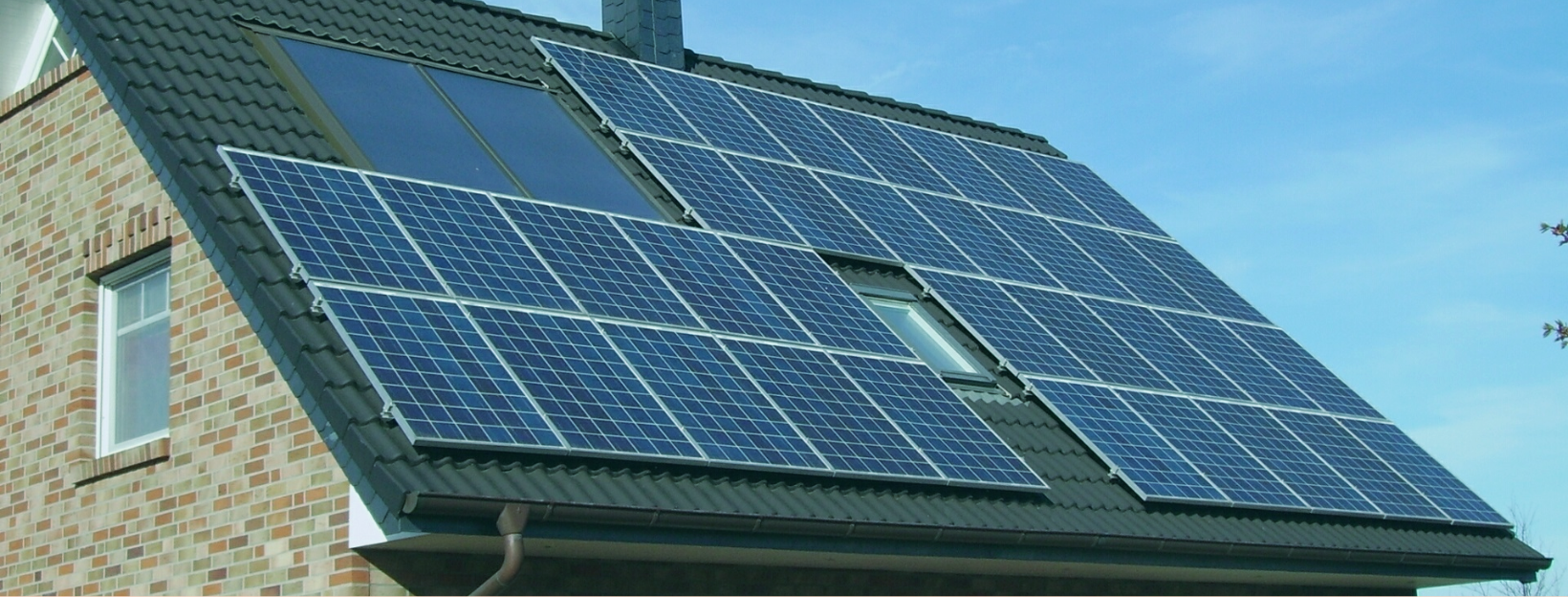
Renewable energy uses free and renewable sources of energy to generate heat and power i.e. energy from the wind, sun and water or from materials which can be renewed, such as wood or animal wastes. These sources of energy do not produce polluting greenhouse gases. Examples of renewable energy are solar panels on roofs, wind turbines and using wood fuel for individual boilers or larger heating schemes.

For more information on renewable and low carbon energy which may be suitable for your home visit the generate your own energy section of the Energy Saving Trust website This link will take you to an external website... .  For advice on purchasing a renewable or low carbon energy system or finding an installer visit the Microgeneration Certification Scheme website This link will take you to an external website... .

Thames Valley Energy This link will take you to an external website... works with small communities and businesses within the Thames Valley to promote renewable energy resources and to provide independent advice on renewable technology options.  Local community groups and businesses interested in renewable energy can contact Thames Valley Energy via their website.

Solar Suitability Checker

Cocoon’s online solar suitability checker is designed to help homeowners who are interested in the potential of solar panels. In just a few minutes it can:

  • Help you check the size and orientation of your available roof space
  • Calculate costs and returns on investment for a suitable solar system
  • Show the value of feed-in tariffs paid to you over a 25 year period
  • Compare price estimates from a number of MCS approved installers

Cocoon is independent, impartial and operated by United Sustainable Energy Agency, a not for profit organisation. For more information visit the Cocoon website This link will take you to an external website...

Feed-in tariffs

Feed-in tariffs were introduced in April 2010. A feed-in tariff guarantees a minimum payment for all electricity generated by a renewable or low carbon system such as solar electricity panels or wind turbines (known as the generation tariff). A separate payment for the electricity exported to grid is also made (export tariff). These payments are in addition to the energy bill savings made by using the electricity generated on-site. For more information on the scheme visit the financial incentives section of the Energy Saving Trust website This link will take you to an external website... .

Renewable Heat Premium and Incentive

The £15 million Renewable Heat Premium Scheme commenced in August 2011, to provide householders with payments of up to £1,250 to help towards the cost of installing renewable heating systems such as biomass boilers, air and ground source heat pumps and solar thermal panels.

The Renewable Heat Incentive is designed to provide financial support that encourages individuals, communities and businesses to switch from using fossil fuel for heating, to renewable or low carbon heat technology such as a biomass boiler, solar hot water heating or a heat pump.  For more information on the scheme visit the financial incentives section of the Energy Saving Trust website This link will take you to an external website...

Last reviewed: 02 - 11 - 2011

Was this page helpful?YesNo