Abbey Fishponds
Abbey Fishponds is a small nature reserve (around seven hectares) in East Abingdon.
What to see
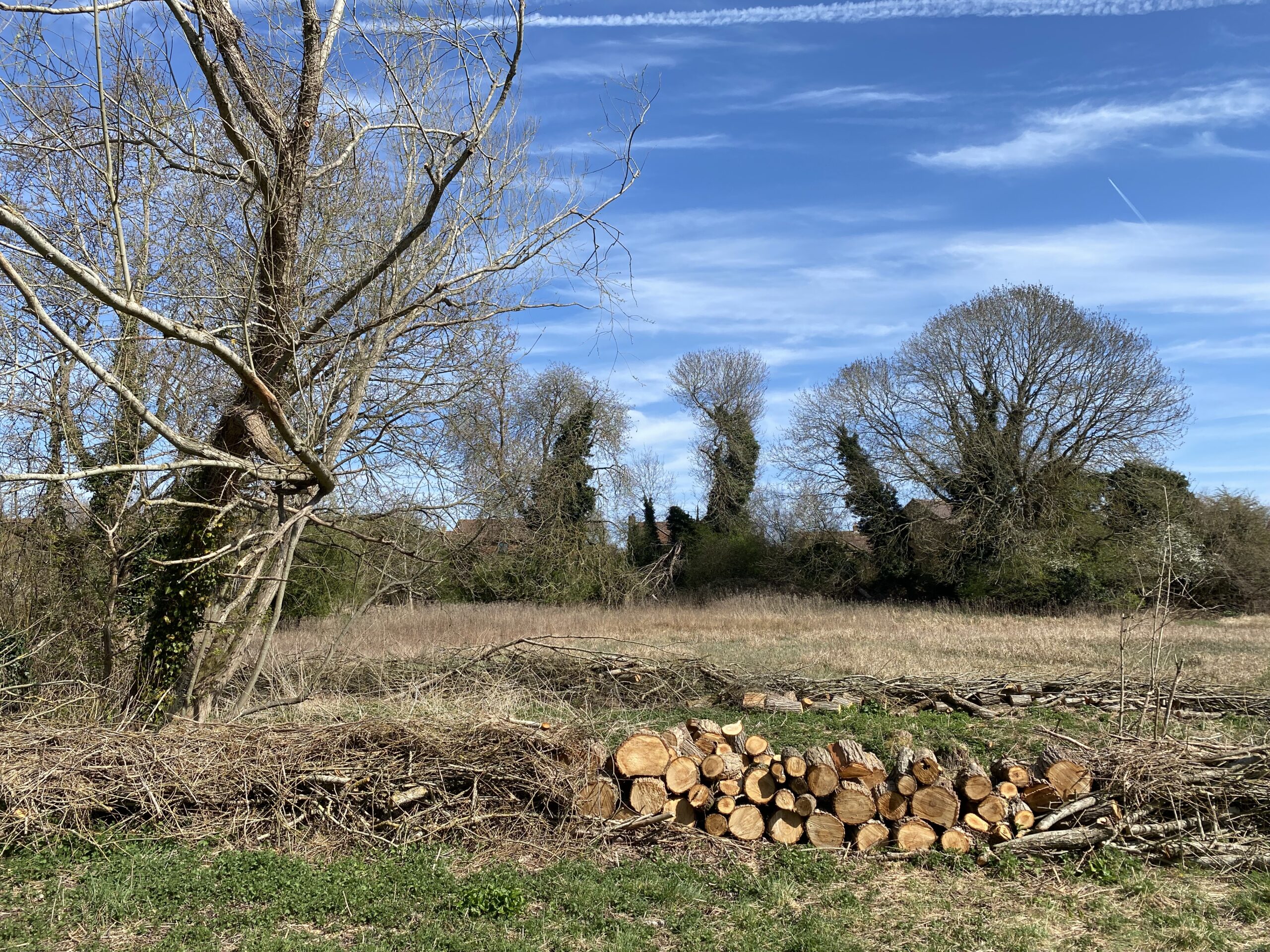
As well as the brook that bisects the site, there are ponds, seasonal pools, and wet grassland. Other habitats include reedbeds, sedge beds, sycamore woodland, fen and scrub.
The land is managed by Earth Trust on behalf of Vale of White Horse District Council and you can find out more about it on their dedicated Abbey Fishponds webpage.
Volunteers work to restore rare wetland
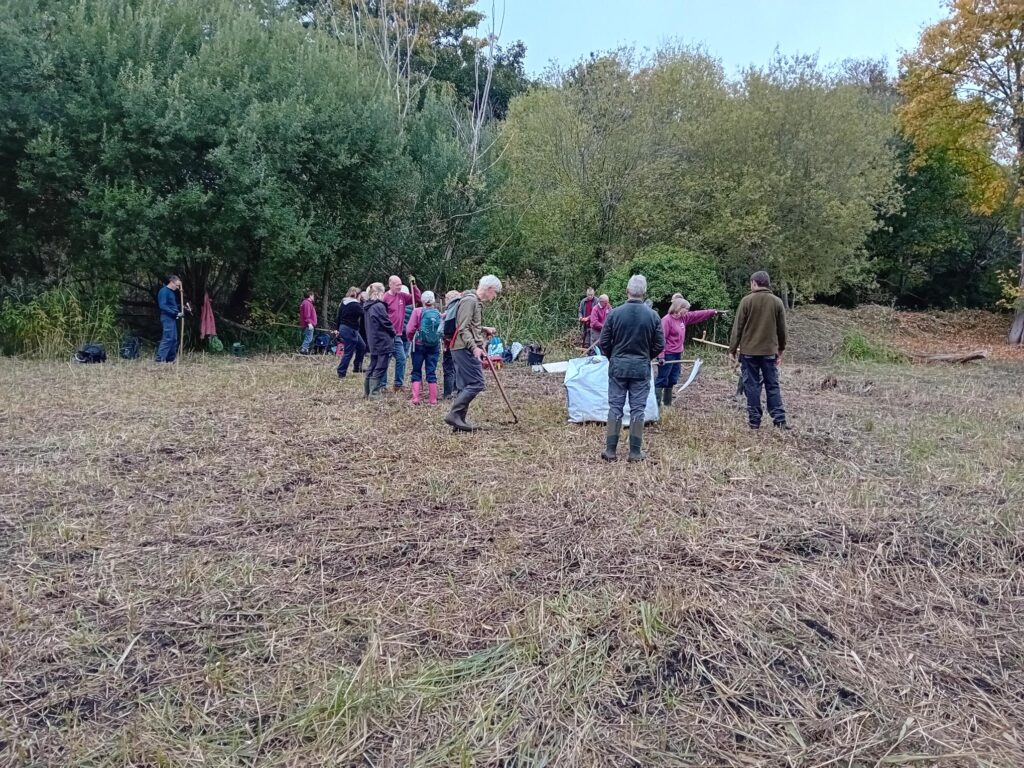
With their rakes at the ready, volunteers have been out in force at the Abbey Fishponds Local Nature Reserve in Abingdon, cutting reeds and sowing seeds in a bid to restore rare alkaline fen habitat and increase biodiversity at the site.
Abbey Fishponds, in the heart of a residential area of the town, is owned by Vale of White Horse District Council and managed by the Earth Trust. It is a mini wildlife haven, made up of wet wildflower meadows (fen), reedbeds, ponds and grassland with areas of woodland and scrub. The Radley Brook flows through the middle of the reserve and is home to a small population of water voles.
This year the Earth Trust has been working with Freshwater Habitats Trust to survey the wetland vegetation and identified that areas of alkaline fen – one of Britain’s rarest wetland habitats – which is found around certain types of springs. The springs are rich in calcium and deposit a mineral (like limescale). Alkaline fens support a wealth of plants and other biodiversity, some of which used to be at Abbey Fishponds and some which is still there, such as the beautiful Intermediate Hookmoss and Southern Marsh-orchid.
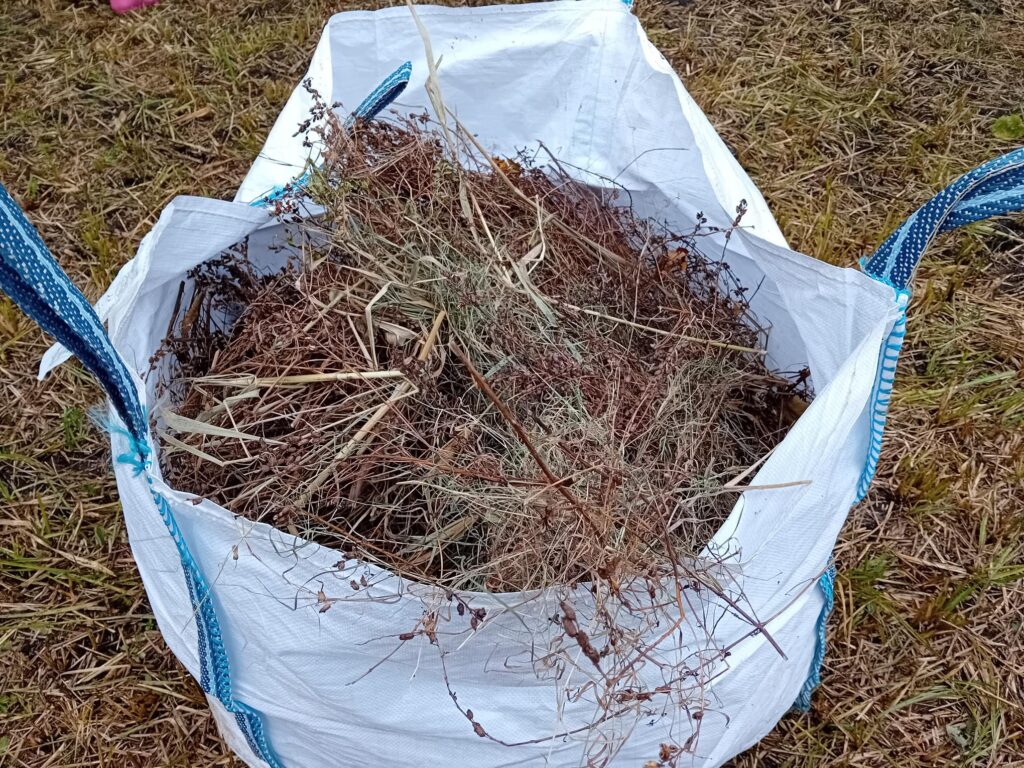
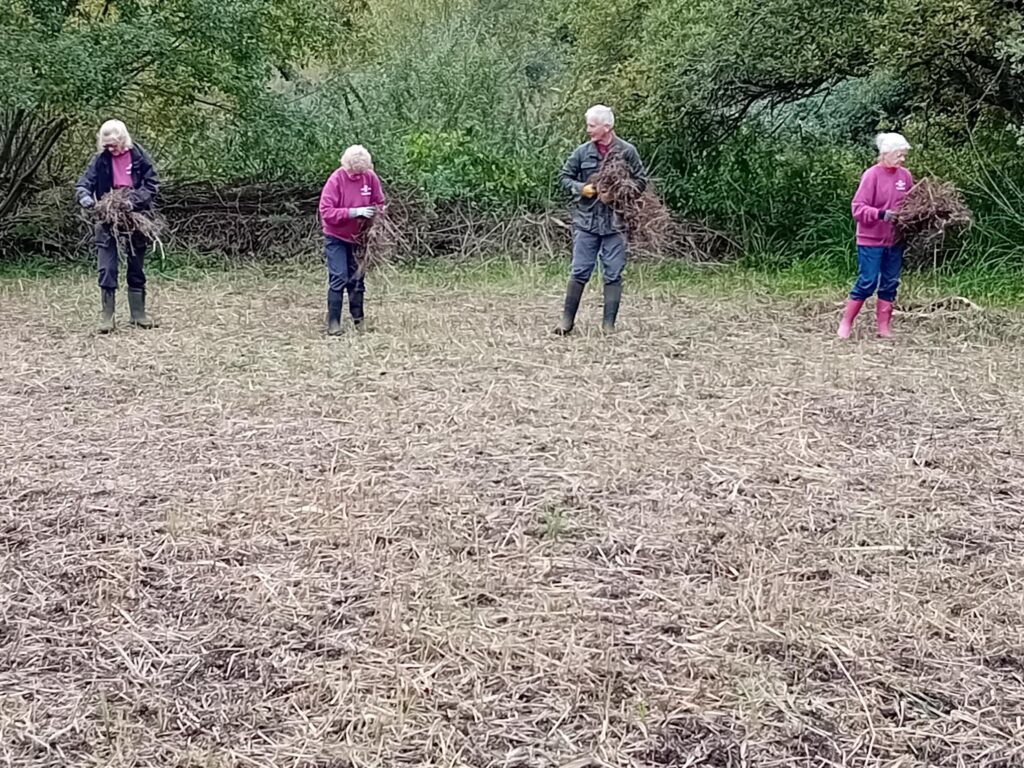
Following advice from Freshwater Habitats Trust, a group of 18 volunteers started the first phase of restoring an area of reedbed into species-rich fen. The first step was to cut and collect the long stalks of the reeds. Then they sowed seeds harvested from Hinksey Heights Nature Reserve, near Oxford (managed by Freshwater Habitats Trust). These seeds included Marsh Lousewort. This pink-flowered plant is attractive to bees, and restricts the rapid growth of competitive reeds and rushes, creating a more open and diverse habitat.