

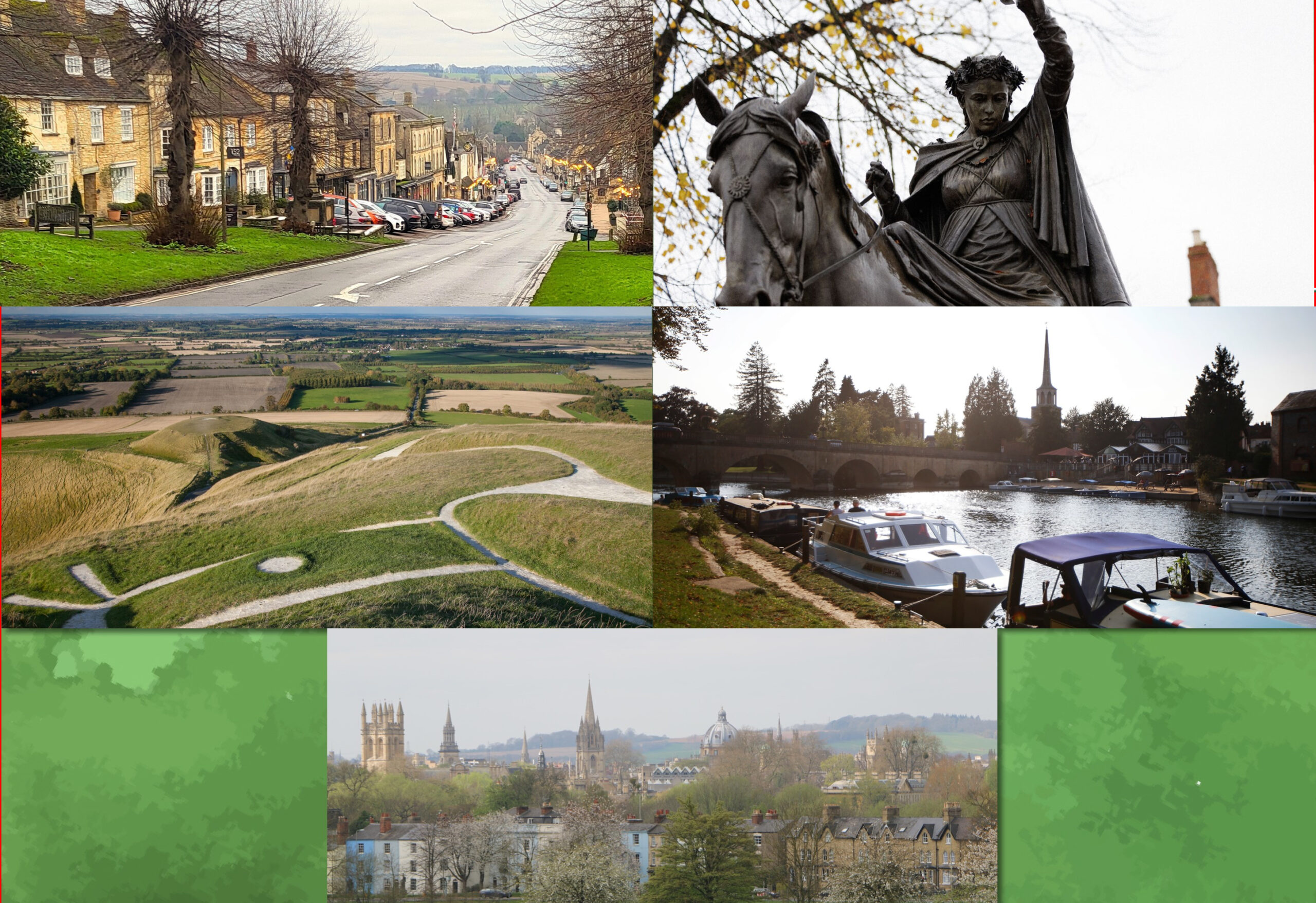
What is local government reorganisation and why should you care?
Published Tuesday 16 June 2026
Local government is the part of the public sector that delivers the everyday services we all rely on – things like roads, libraries, housing, recycling, social care, parks and community support.
It’s linked to everything we do and in Oxfordshire, these services are delivered by two layers of councils: county councils and district/city councils, each responsible for different things.
This two‑tier system can mean duplication of services and confusion about where to go for residents, which is why there’s growing interest in simplifying how local government works.
In Oxfordshire there are a number of proposals on the table for government to consider.
- A single unitary council for Oxfordshire – Oxfordshire Council.
- Two unitary councils
- Oxford and Shires Council created from the existing district councils of Cherwell, Oxford City and West Oxfordshire.
- Ridgeway Council – covering all of the existing South Oxfordshire and Vale of White Horse districts combined with West Berkshire.
- Three unitary councils
- Greater Oxford Council – covering Oxford and its green belt
- Northern Oxfordshire Council – covering most of the existing Cherwell and West Oxfordshire districts.
- Ridgeway Council – covering most of the existing South Oxfordshire and Vale of White Horse districts combined with West Berkshire.
Each council will be responsible for everything in their area, so residents will only need to contact one council for all local services including adult social care, highways, waste and bin collection, children’s services and SEND.
It’s not a new thing
Across the country, many areas have already gone through local government reorganisation (LGR), where several councils are replaced by a single unitary council that handles all services under one roof. The aim is to reduce duplication, improve accountability and make it easier for residents to know where to go for help.
Places like Wiltshire, Dorset and Buckinghamshire have already moved to unitary systems, and earlier waves of change saw 46 new unitary authorities created between 1995 and 1997. These reorganisations are part of a wider plan to make services more efficient, sustainable and responsive to local needs.


