

Tuckmill Meadows has some ‘moo’ residents
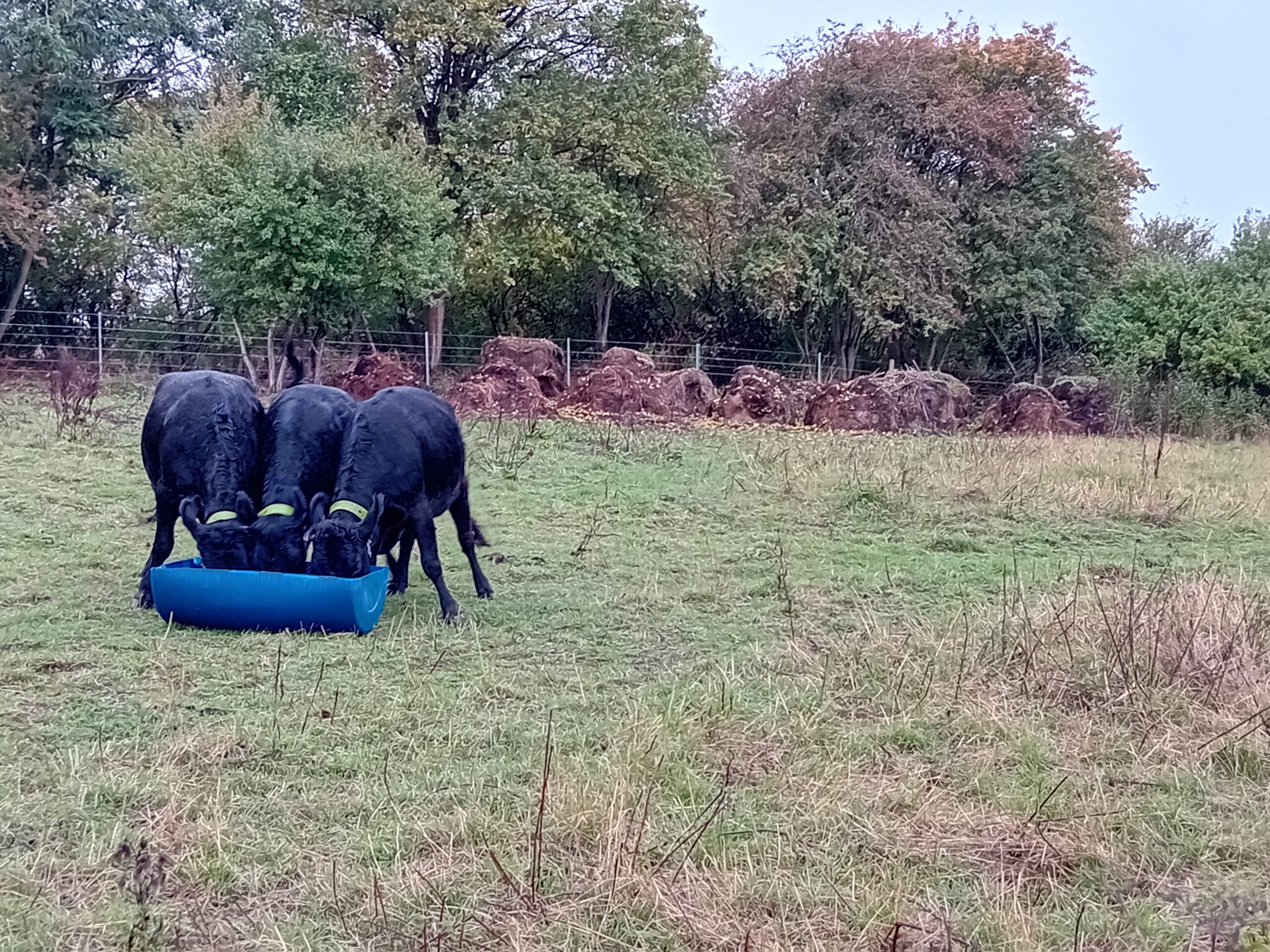
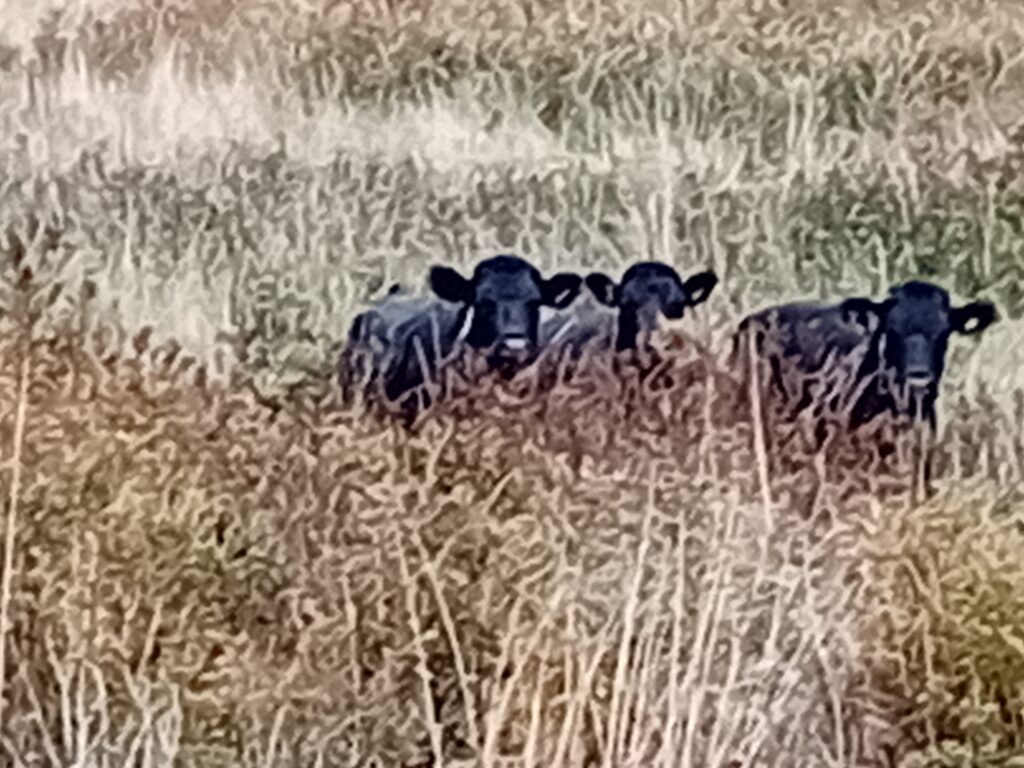
Meet Dorisse, Lucinda and KitKat – three Irish Dexter cows who have recently moved to Tuckmill Meadows nature reserve near Shrivenham as part of a nature recovery programme.
Tuckmill Meadows, which is a SSSI (Site of Special Scientific Interest), is owned by Vale of White Horse District Council and is managed by the Earth Trust with the help of Friends of Tuckmill volunteers. The site hosts around 150 plant species but with potential for 300 or more and includes reedbeds, woodland, a stream and fenland (uncommon in Oxfordshire) all of which are habitats for many different birds and mammals including otters and water voles and now Dexter cattle.
The cattle were introduced at the end of the summer to graze across the site to limit the fast-growing grasses which can dominate. Keeping the grass down allows more diverse and delicate plant species to grow. At Tuckmill Meadows, these include four species of conservation concern: Field Scabious, Ragged Robin, Hoary Plantain and Marsh Valerian, as well as the increasingly rare Southern Marsh Orchid.
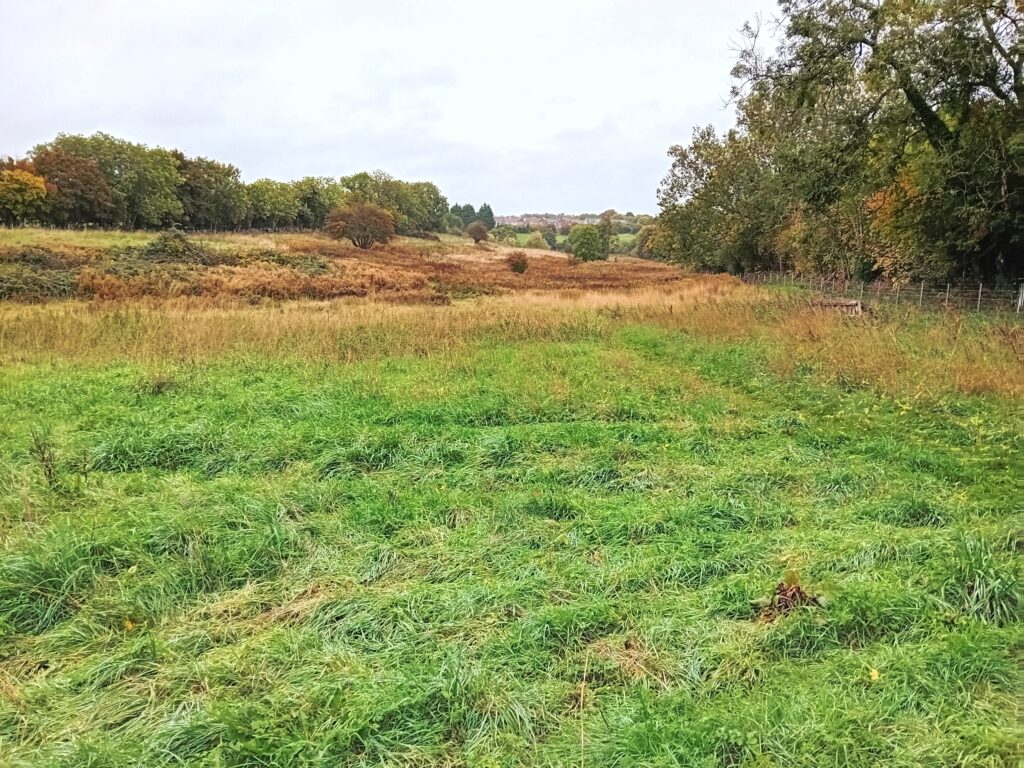
Tim Read, Earth Trust countryside manager for Tuckmill Meadows, said: “The variety of terrain at Tuckmill – the limestone valley, the fenland and the stream – contributes to the diverse species found here, but it does make it difficult to mow with machinery. In the past the meadows were used for grazing and this kept the grass in check. When grazing was stopped, volunteers cut vegetation by hand but had to focus on key areas as it’s slow going!
“These Dexter cows are well suited to the meadows. They are smaller and lighter than other cattle breeds and have large feet so are less likely to sink into mud. So far, they have responded well and seem to be enjoying their new home.”
The animals have GPS tags on their collars so site managers can track their movements at any time. The technology allows Earth Trust staff to prevent the animals from entering certain areas which are unsuitable such as very wet boggy land in which they could get stuck. The tags can also help focus the grazing away from areas where delicate plants are growing – creating a kind of ‘invisible’ fence. If the animal moves towards a spot they shouldn’t be in, the collar emits a musical tune which gets louder as they move forward and quieter when they move away from that area.
The information from the collars shows where the animals choose to graze and this supplements regular visits to check on the animals’ welfare. The Earth Trust is looking for volunteer stock watchers who can drop by the site easily and report what they find including any concerns.
It is anticipated that the cattle will stay on site all year round but the footpath which runs alongside the golf course boundary will be kept cattle-free year-round.
Cllr Hayleigh Gascoigne, Vale of White Horse District Council’s Cabinet Member for Environmental Services, Climate Action and Nature Recovery said: “We have had a long association with the Earth Trust managing our countryside sites using a variety of measures to get the best possible outcome for our local nature. We are grateful to them and all the hard work put in by local volunteers to protect and nurture this wonderful green space.”
Ward councillor Katherine Foxhall said: “This is such an important site for nature and for the residents of Shrivenham and Watchfield, many of whom visit regularly to enjoy the variety of plants and birds. Earlier this year we were treated to the spectacular sight of what appeared to be a ‘carpet’ of orchids at the meadows. We hope the cattle will provide yet another reason for people to enjoy the natural beauty of Tuckmill Meadows.”
Ends
Notes to editors
Tuckmill Meadows was designated as a Site of Special Scientific Interest (SSSI) in 1975.
To find out more visit the Earth Trust site.
The Earth Trust is looking for volunteers at Tuckmill Meadows, contact volunteering@earthtrust.org.uk for more information.
- Community Wardens
- Land Management Volunteers
- Stock Watchers
- Butterfly Surveyors (starting April 2026)


