

Wantage Leisure Centre is fit for the future
Published 29 June
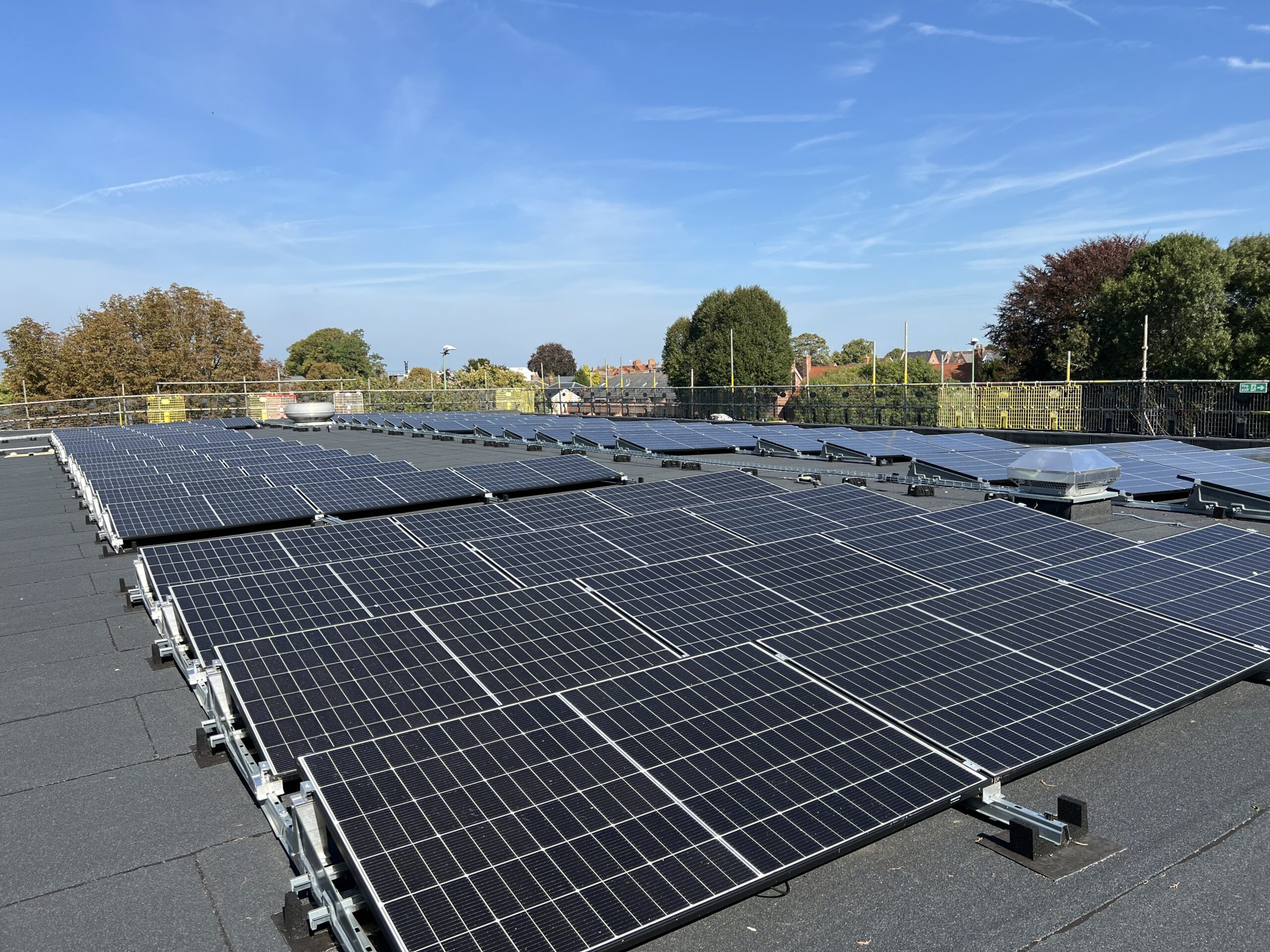
Wantage Leisure Centre is running on renewable energy following the completion of a multi-million-pound energy efficiency programme which installed air source heat pumps, solar panels and extensive insulation.
The centre which celebrated its 50th anniversary last month, is looking to a future without carbon emissions after its end-of-life gas boilers which provided heating and hot water were replaced with a clean modern energy system.
Contractors started work at the site in March 2025 installing triple glazing, replacing and insulating the roof and adding two large air source heat pump units, and 106 solar panels* to heat the building.
The centre’s new energy efficient measures were made possible by the government’s Public Sector Decarbonisation Scheme (PSDS), run by the Department for Energy Security and Net Zero and delivered by Salix.
The scheme provided Vale of White Horse District Council nearly £6m towards upgrading the heating systems at Wantage Leisure Centre and the White Horse Leisure and Tennis Centre in Abingdon, where similar work is also close to completion.
In addition to the government funding, money for the work has also come from Community Infrastructure Levy (CIL) – which is money generated from new building developments in the area which goes towards local infrastructure, including projects such as this. The UK Shared Prosperity Fund has also contributed towards this decarbonisation work.
When the work at both leisure centres is finished, the council has calculated that its overall carbon emissions should be reduced by more than 25 per cent.
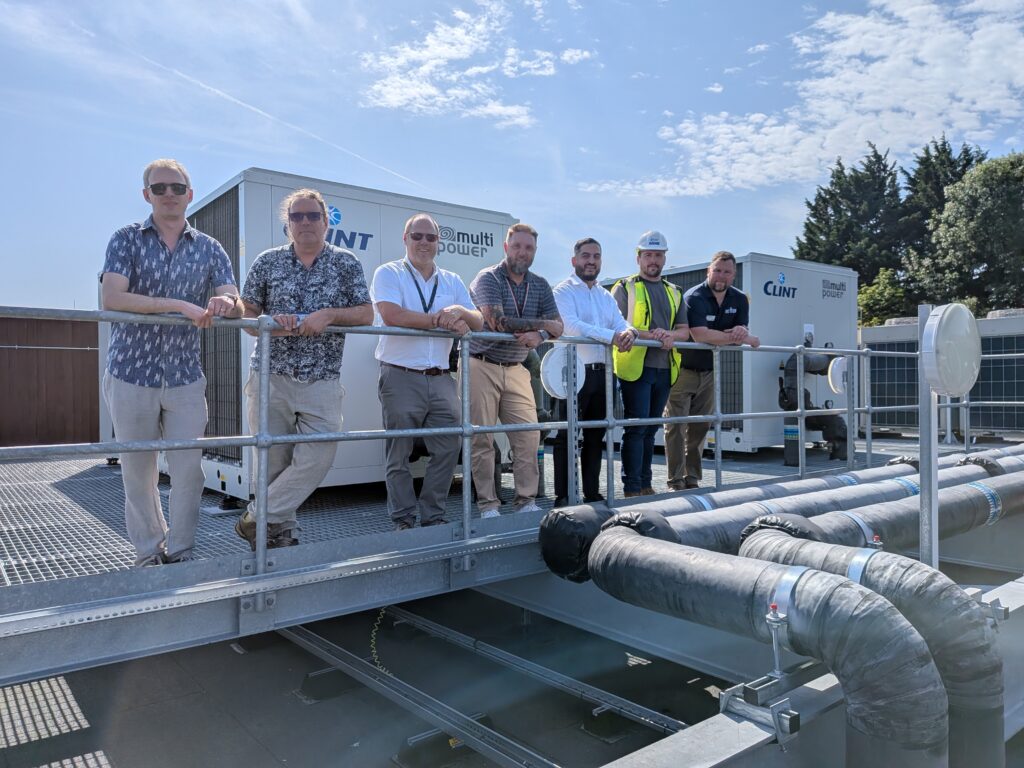
Cllr Andrew Crawford, Cabinet Member for Finance and Property at Vale of White Horse District Council said: “By switching our leisure centres to renewable energy we’re making them fit for the future. Renewables are better for our planet and our budget. They make the sites cheaper to run and more economically viable in the long term. Now the decarbonisation work is completed at Wantage, we can now concentrate on the next phase for the centre – a full refurbishment of the changing facilities and gym.”
Cllr Dr Robert Clegg, Cabinet Member for Environmental Services, Climate Action and Nature Recovery at Vale of White Horse District Council, said: “This marks a great moment where our buildings move from reliance on fossil fuels – which contribute to climate change and are vulnerable to sudden price rises – to a modern, renewable, sustainable heating system. This combined with work on other leisure centres at Abingdon and Faringdon will help us make significant progress towards achieving the council’s ambitious target of becoming net zero in its operations by 2030.”
Cllr Laura Gordon, Oxfordshire County Council’s Cabinet Member for Economy and Environment, said: “Climate action continues to be at the heart of everything we do, and our buildings stock is among our main sources of emissions. By making this leisure centre more energy efficient, instead of creating CO2 and relying on expensive fossil fuels, they are cutting their emissions and reducing their energy bills. What a wonderful way to mark its 50th anniversary.”
Director of public sector decarbonisation at Salix Ian Rodger said: “Adopting clean energy in leisure centres is not just about reducing carbon emissions; it is about creating healthier, more affordable, and more sustainable spaces for communities.
“Local people will enjoy leisure centres that are vibrant hubs of wellbeing for years to come. This is a great example of how the Public Sector Decarbonisation Scheme has made a real difference to people and buildings.”
Updated information will be available on the work going at the leisure centres will be on the council’s webpage.
Notes to editors
*106 solar panels were added under the government scheme. The council is adding a further 33 solar panels using developer funds (S106) taking the total number of panels to 139.
The work at Wantage Leisure Centre took place thanks to the trustees of the site and was carried out by Ashe Construction Ltd and consultants, Pellings LLP.
The Public Sector Decarbonisation Scheme provides grants for public sector bodies to fund energy efficiency and heat decarbonisation measures. You can find out more about it on the government website.
The finance is delivered by Salix Finance on behalf of the government run by the Department for Energy Security and Net Zero, aims to tackle emissions from heating public sector buildings, aid a green recovery and support the UK’s 2050 net zero target and clean growth goals.
About Salix: At Salix, our mission is to support organisations to lower their energy costs, create warmer and healthier buildings and achieve their net zero ambitions.
We are a trusted delivery partner to the UK, Scottish and Welsh governments, regional combined authorities and public sector organisations across the country.
The schemes we deliver provide funding for energy efficiency and heat decarbonisation projects for public sector buildings as well as the housing sector.
Our schemes are dedicated to reducing carbon emissions and supporting the government’s ambitious net zero targets. These programmes include the Public Sector Decarbonisation Scheme, the Social Housing Decarbonisation Fund, Scotland’s Public Sector Heat Decarbonisation Fund and in Wales, Digarbon.
Since its formation in 2004, Salix has helped organisations commit to more than 22,000 projects by administering £3.7 billion of funding, with projects saving 1.2 million tonnes of carbon dioxide annually.


