

What’s happening at Abbey Gardens?
Spring /Summer 2026
Changes to planting scheme
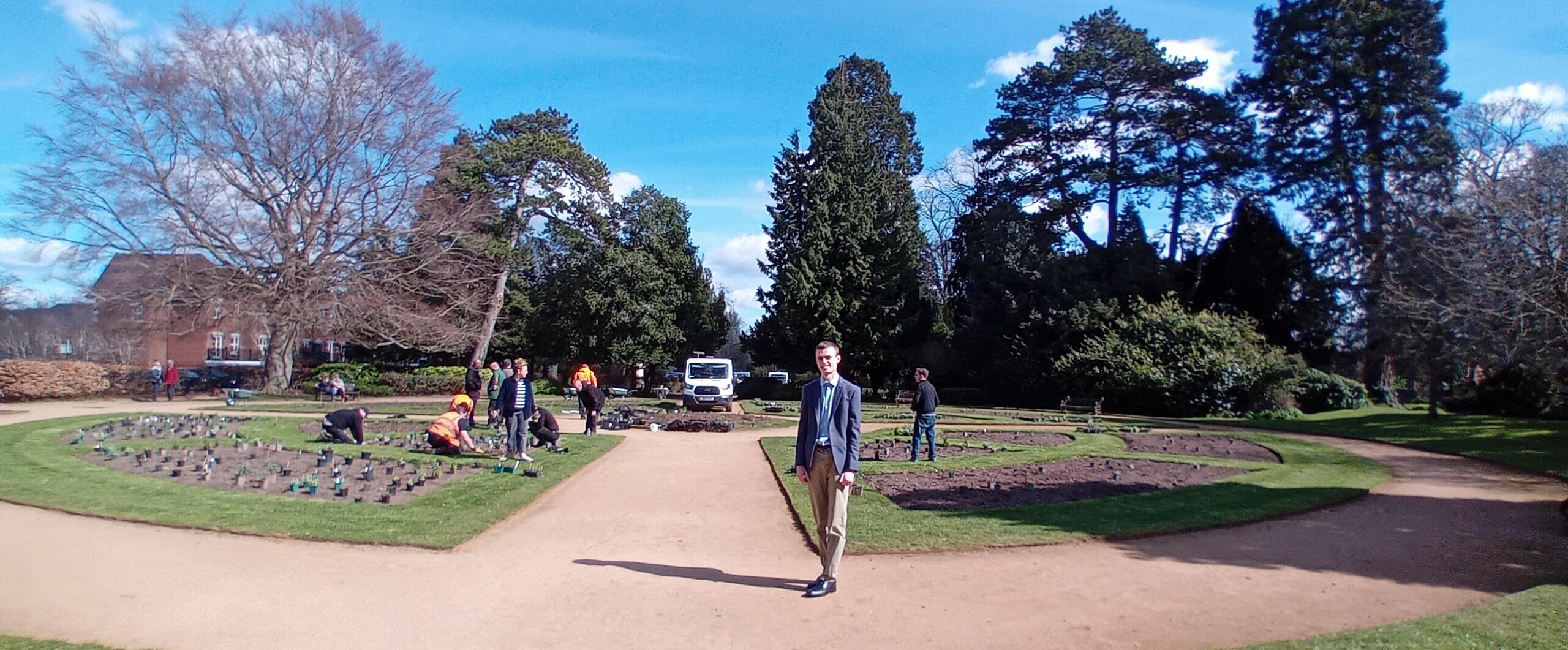
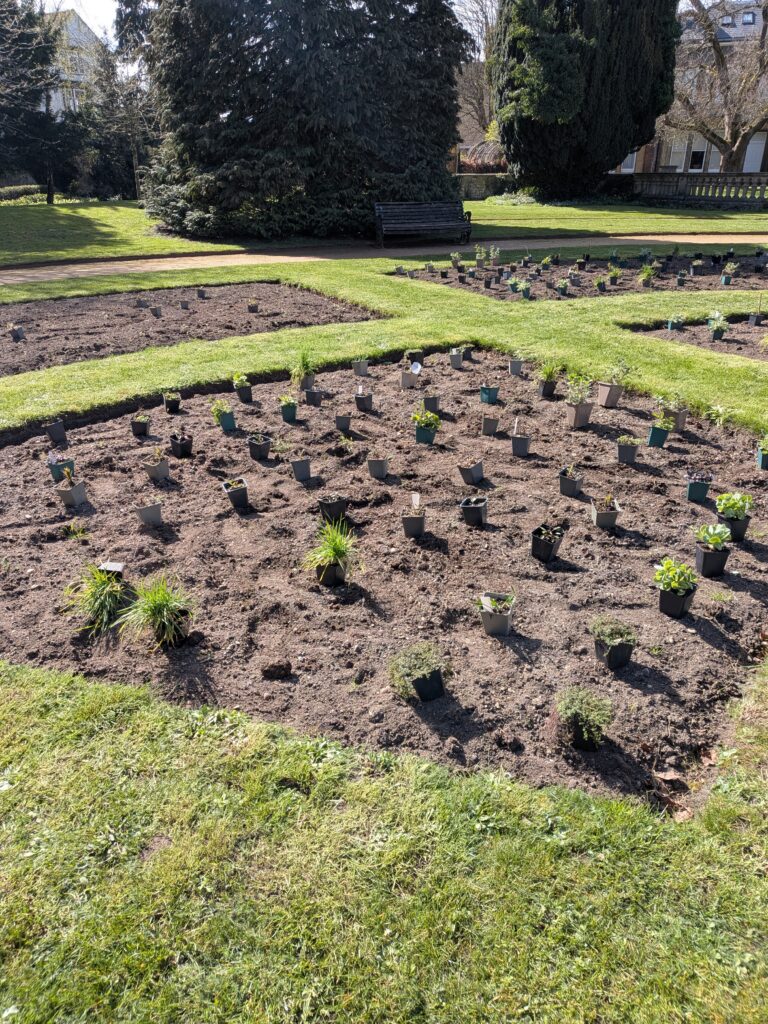
In March our Grounds Maintenance team were hard at work planting more than 1,100 new plants in the flowerbeds in the ornamental gardens at Abbey Gardens in Abingdon as part of a change of policy that saves time and money and aims to improve biodiversity.
Previously the team spent a significant amount of time twice a year clearing, preparing, weeding and replacing annual plants. However, this year after extensive consultation with the climate and biodiversity team, perennials were chosen instead (as these will last many years instead of six months).
The plants, which were all grown in Oxfordshire, using a local supplier in peat-free conditions, were selected for being long-lived, drought tolerant and pollinator friendly. There will be a cost saving as the council no longer has to buy plants twice a year, nor will the grounds maintenance team have to spend the time taking out and planting twice a year and spend much less time watering them (previously, up to twice a day on very hot summer days).
What is happening and why?
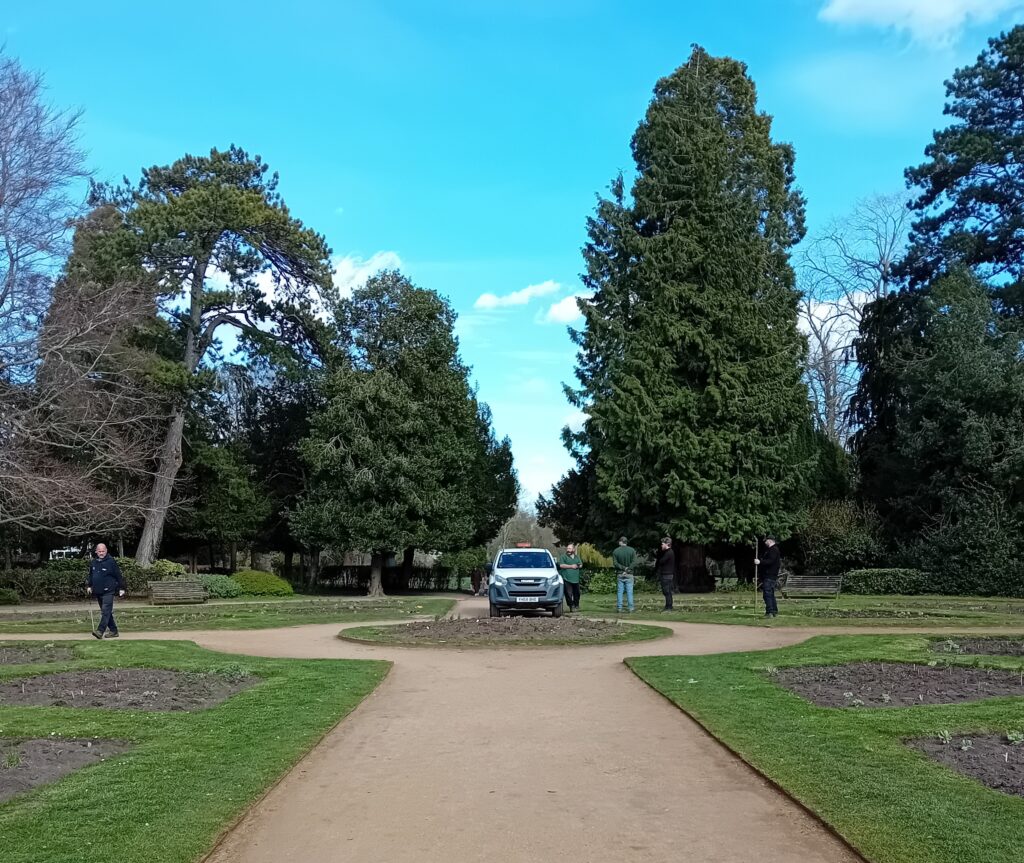
The Grounds Maintenance and Climate and Biodiversity teams have explored ways to introduce more sustainable, and nature-friendly planting on council land. It is also a response to changes to weather patterns that mean longer dry spells and shorter, more intense periods of rain. The Climate and Biodiversity team has designed a planting scheme that offers significant environmental benefits. The plants will be less susceptible to drought and heat, reducing the need for frequent watering. Nectar- and pollen-rich perennials will provide valuable habitats and foraging resources for bees and other wildlife. Now the planting is complete there will be no ongoing use of peat at the site. There is also the potential to propagate these plants for use elsewhere in the district, lowering future costs and making further environmental benefits. In addition to savings from not purchasing annual bulbs and bedding plants every six months, this approach will reduce carbon emissions associated with deliveries. The new plants were all grown in Oxfordshire and the supplier is based in Watlington, Oxfordshire.
Will this change cost more?
No – conversely it is estimated that Vale will save around £16,000 by not buying thousands of plants over the next three years, not to mention the working hours saved by the Grounds Maintenance team no longer having to spend a significant amount of time clearing, preparing, weeding and replacing annual plants.
Under the new scheme, the team’s focus shifts to maintenance tasks such as deadheading, weeding, and replacing any dead plants. The new planting is more drought-tolerant, requiring less frequent watering. This change would significantly reduce time spent on-site, freeing capacity for other projects around the districts.
Is it just happening at Abbey Gardens?
Once established, the scheme could be rolled out to other suitable sites. This could include the planters in Abbey Close and the tree planters at Station Yard in Abingdon.
What are the climate and ecological impact implications?
The Climate and Biodiversity team has designed a planting scheme that offers significant environmental benefits. The plants will be drought- and heat-tolerant, reducing the need for frequent watering and maintenance. Nectar- and pollen-rich perennials will provide valuable habitats for bees and other wildlife. Perennials provide long-term habitats and food sources for pollinators, including bees and butterflies. Annual bedding plants, on the other hand are generally cultivated to be sterile, and the process of replanting can disrupt habitats and reduce biodiversity. The longevity of perennials also reduces the environmental impact associated with soil disturbance. Due to their deep root systems, once they are established, they need much less water and fertiliser needs than annuals. Their root systems also improve soil health, prevent erosion, and promote microbial activity.
There is also the potential to propagate these plants for use elsewhere in the district, lowering future costs and making further environmental benefits. In addition to savings from not purchasing plants every six months, this approach will reduce carbon emissions associated with deliveries. The new plants were sourced from a local supplier and were grown in Oxfordshire.
Will it look different?
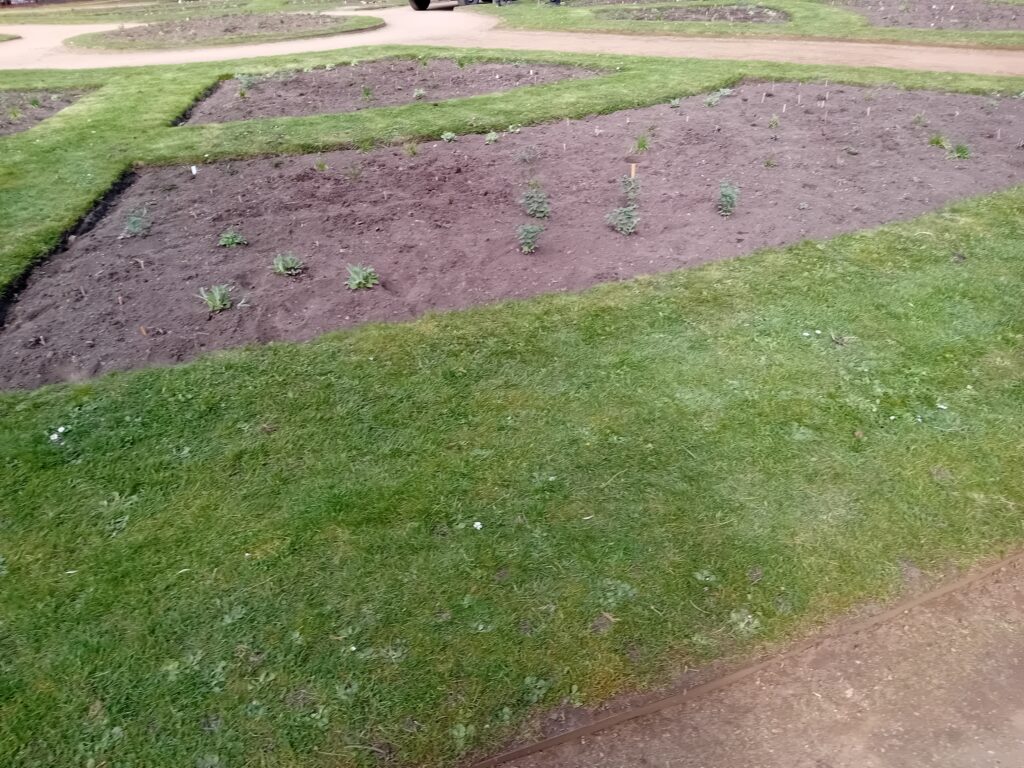
Yes a little, at first – as the plants will need time to grow and develop roots which will make them less susceptible to periods of drought. But in time the beds will fill out and on a warm summer days should be buzzing with life.
New plants include:
Alliums (summer beauty), anemones, asters, coneflowers (including echinacea), catmint, field scabious, gaura, iceplant (sedum), lambs ears, purple cranesbill, quaking grass, thyme, verbena and veronicastrum (culver’s root).
Contact us - Parks

01235 422404
(Text phone users add 18001 before dialling)


